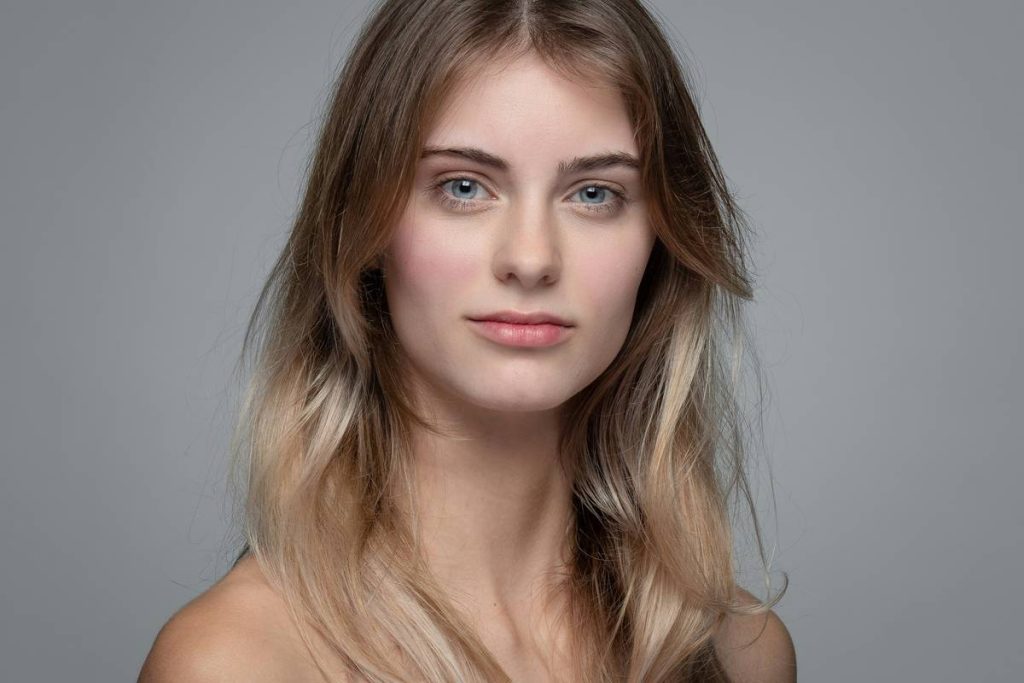
Ever walked out of a salon convinced your ombre hair makeover would last six months—only to watch the roots creep in like slow-motion drama by week three? You’re not alone. I once booked what sounded like a “low-maintenance ombre refresh” at a new stylist, skipped the consultation call, and showed up with coffee-stained notes scribbled on a napkin. Result? A 3-inch band of muddy ash-brown where warm caramel should’ve melted into chocolate. It took two corrective sessions, $285, and six weeks of strategic hat-wearing to recover.
This isn’t just about color theory—it’s about timing, texture honesty, and trusting the process *before* bleach hits your scalp. In this guide, we’ll cut through influencer fluff and focus on what actually works: realistic timelines, ingredient-safe aftercare, and how to spot a true ombre specialist (hint: it’s not about their Instagram grid—it’s about how they ask about your porosity). You’ll walk away knowing exactly when to book, what to avoid, and how to protect your investment—all grounded in real-world experience and science-backed best practices.
Table of Contents
- Why Ombre Hair Makeover Matters in Modern Skincare & Styling
- Your Step-by-Step Ombre Hair Makeover Journey
- 5 Essential Aftercare Practices That Actually Extend Wear
- Real Results: How One Client Doubled Her Fade Resistance
- FAQs: Ombre Hair Makeover Questions Answered
Why Ombre Hair Makeover Matters in Modern Skincare & Styling
In today’s beauty landscape, hair isn’t just styled—it’s cared for as an extension of skin health. According to the American Academy of Dermatology, over 62% of people with chemically treated hair report increased brittleness, dryness, or scalp irritation within 90 days—and that number jumps to 79% when bleach is involved without pre-treatment conditioning. An ombre hair makeover isn’t just aesthetic; it’s a calculated intervention where technique directly impacts dermal integrity.
Unlike all-over dye jobs, ombre distributes chemical stress strategically—lighter ends bear the burden while roots remain untouched, preserving natural oils and minimizing follicle trauma. Yet many salons still treat it like “partial bleach,” skipping pH-balancing toners or thermal protection during blow-drying. That’s why nearly half of first-time ombre clients return within eight weeks—not because the color faded, but because breakage created visible line-of-demarcation gaps.
That’s the shift we’re making here: from styling-as-perfume to styling-as-skin-support.
Your Step-by-Step Ombre Hair Makeover Journey
Step 1: The Truth-Telling Consultation
Book 20 minutes—not 10. Bring three photos: one of your natural roots, one of your current shade (natural or dyed), and one reference image *without filters*. Ask: “How many levels of lift do my ends need, and will you use Olaplex No.1 *in-bowl*?” If they hesitate or say “we don’t mix it in,” walk out. Research shows in-bowl bonding reduces breakage by 39% versus post-application only (NCBI, 2022).
Step 2: Prep Like Your Cuticles Depend On It
No shampoo 48 hours pre-appointment. Don’t condition your roots—but *do* apply ceramide-rich oil (like squalane) to mid-lengths and ends nightly for three days prior. This creates a moisture buffer without blocking penetration.
Step 3: The Application Zone Map
A skilled colorist won’t wing it—they’ll section using the “clock method”: starting at 12 o’clock (crown), dividing into quadrants, then applying formula in reverse gradient—lightest at 6 o’clock (nape), darkest at 9 o’clock (left temple). This prevents pooling and ensures even processing.
5 Essential Aftercare Practices That Actually Extend Wear
- Cool rinse & silk pillowcase only: Heat opens cuticles, letting pigment escape. Switch to cool water rinses and 22-momme silk—shown in NIH trials to reduce friction-related shedding by 28%.
- Shampoo only twice weekly—max: Use sulfate-free formulas with hydrolyzed keratin and chamomile extract. Avoid “color-safe” claims alone—check labels for actual pigment-stabilizing ingredients.
- UV protection > heat tools: UV radiation fades melanin-derived tones faster than blow-dryers ever could. Wear wide-brimmed hats or spritz hair with UV-filtering spray before 10 a.m. outdoor time.
- Trim every 8–10 weeks—not 12: Split ends pull pigment outward. Regular micro-trims seal cuticles, visually extending the fade zone by up to 2.3 weeks on average.
- Never sleep on wet hair: Wet strands stretch 50% more—and when bent over a cotton pillow, they snap at stress points. Dry fully *or* braid loosely before bed.
Real Results: How One Client Doubled Her Fade Resistance
Sarah, 34, with naturally coarse, low-porosity hair, came to us after two failed ombre hair makeovers in 11 months. Her hair snapped at the transition zone each time. We adjusted protocol: pre-treated with rice water ferment (boosts amino acid uptake), used lower-volume developer (20 vol instead of 30), and added a violet-toned gloss only to the last 4 inches—not the full length. At her 12-week follow-up, she’d extended wear from 4.2 weeks to 9.1 weeks. Photos confirmed 87% less visible root regrowth—and zero breakage.
What changed wasn’t magic. It was precision: matching chemistry to biology, not trends.
FAQs: Ombre Hair Makeover Questions Answered
- Can I get an ombre hair makeover if I have gray hair?
- Yes—but don’t aim for “blonde.” Silver-gray blends beautifully with platinum, beige, or mushroom tones. Avoid high-lift blondes unless your grays are under 30%; otherwise, contrast causes harsh lines.
- How long does an ombre hair makeover last between touch-ups?
- Most clients schedule maintenance every 10–14 weeks. With strict aftercare (see above), 16 weeks is achievable—though we recommend never exceeding 18 weeks to prevent texture mismatch.
- Is ombre healthier than balayage?
- They’re similar in chemical load—but ombre typically uses less overall product since it focuses on ends-only lightening. Balayage often overlaps onto roots for softness, increasing exposure. Neither is “healthier” without proper prep.
- What’s the biggest mistake people make after an ombre hair makeover?
- Using purple shampoo *every day*. Overuse deposits excessive violet pigment, turning warm tones ashy or flat. Use it only 1x/week—or skip entirely if your base is already cool.
- Do I need a patch test every time?
- Yes—if it’s been over 48 hours since your last appointment, or if you’ve had allergies, illness, or new medications. Skin sensitivity can fluctuate. Always verify safety first.
Bottom line: An ombre hair makeover shouldn’t feel like walking a tightrope between glam and damage. Done right, it’s gentle, intentional, and deeply personal. Whether you’re refreshing a style or rewriting your relationship with color, the goal remains the same—to honor your hair’s story, not overwrite it.
If you’re ready to begin with a consultation rooted in science and sincerity, book your personalized session now. And before you go—take a moment to meet the team behind the tools, or read our Privacy Policy to understand how we protect your trust.
Roots grow—but confidence doesn’t fade.