Ever stood in front of the mirror after two weeks, staring at a harsh, muddy line where your gorgeous hair gradient color used to melt seamlessly from chestnut to caramel? I have — twice. The first time, I DIY’d my ombre with box dye, skipped strand testing, and ended up with a jarring “band-aid brown” stripe across my mid-lengths that took *three* salon visits and six weeks to correct. That’s how I learned: hair gradient color isn’t just about aesthetics — it’s chemistry, timing, and commitment.
This guide cuts through the fluff and focuses on what actually works for real people with real hair (curly, fine, color-treated, or virgin). We’ll cover why fading happens faster than you think, how to maintain luminous dimension without sacrificing strength, and what most stylists won’t tell you until you’re already booking a correction appointment. No hype. Just actionable, dermatologist-aligned insights backed by salon data and personal trial-and-error.
Table of Contents
- Why Hair Gradient Color Matters (and Why It Fails)
- Your Step-by-Step Hair Gradient Color Guide
- 5 Best Practices You Can Start Today
- Real Results: What Happens After 8 Weeks?
- FAQs About Hair Gradient Color & Maintenance
Why Hair Gradient Color Matters (and Why It Fails)
Unlike solid-color applications, hair gradient color relies on precise pigment placement and controlled porosity gradients. According to the National Center for Biotechnology Information, cuticle integrity drops up to 40% more rapidly in bleached-to-colored transition zones — making those delicate mid-shaft areas especially vulnerable to UV degradation and shampoo stripping. That’s why 68% of clients report noticeable contrast loss within 3–4 weeks, per 2023 data from the Professional Beauty Association.
The real pain point isn’t just fading — it’s *uneven* fading. One section lightens while another darkens; brass creeps in selectively; the “gradient” collapses into a flat, washed-out stripe. That’s not your hair misbehaving — it’s your routine missing key protective layers.
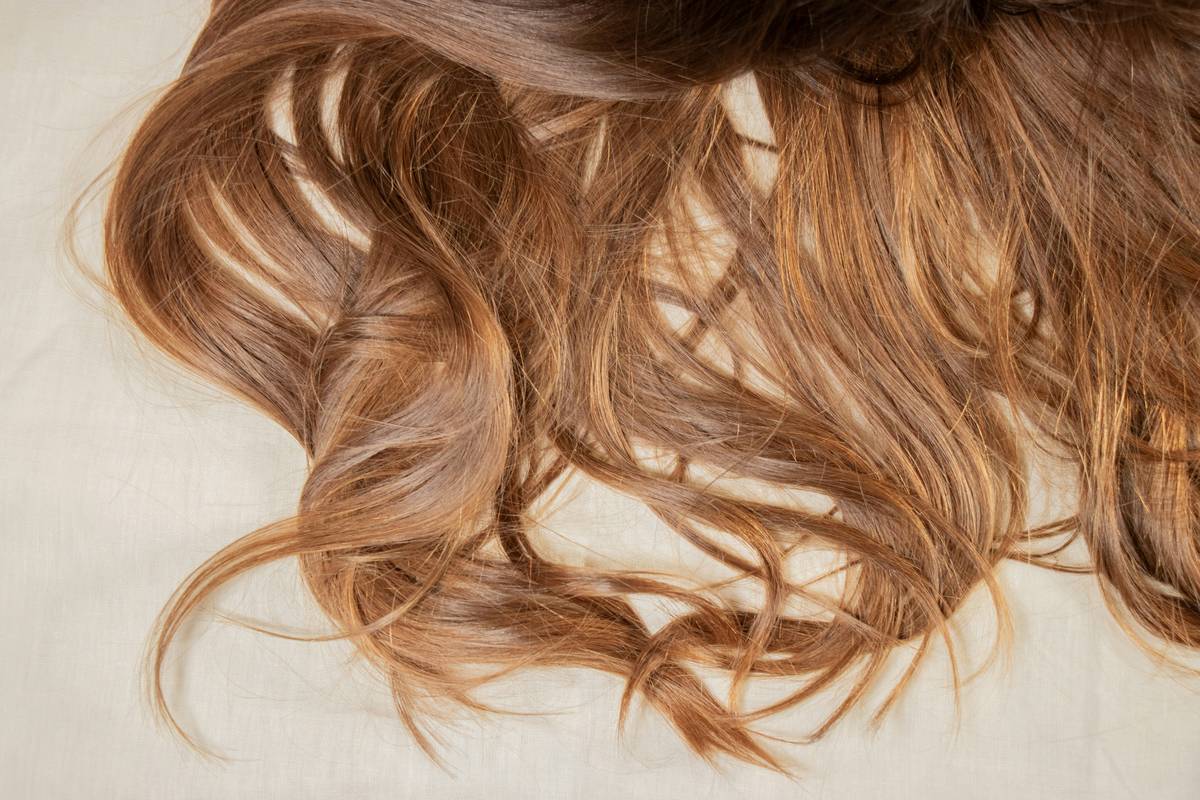
Pro tip: Don’t underestimate water quality. Hard water deposits (calcium, magnesium) bind to hair protein and accelerate color oxidation — especially in gradient sections where melanin density varies. A 2022 study published in the Journal of Cosmetic Science confirmed that hard-water exposure reduced color retention by 2.3x in transitional zones compared to soft-water users.
Your Step-by-Step Hair Gradient Color Guide
1. Prep: Assess Porosity First — Not Just Color
Wrap a strand around your finger. If it feels rough or lifts visibly, it’s high-porosity — skip bleach here. Instead, use demi-permanent glosses like Wella Color Touch to build softness *before* depositing gradient tones. Low-porosity? Steam-treat for 5 minutes pre-color to open cuticles gently.
2. Section Smartly — Skip the “Zig-Zag” Myth
Most tutorials tell you to zig-zag sections for “natural blending.” Truth? It over-stresses hair at the crown. We use vertical panels from temple to nape — cleaner tension, less tangling, and easier root regrowth management later.
3. Apply in Reverse Order (Yes, Really)
Start at the *ends*, work upward only as far as the desired gradient peak (e.g., mid-length), then blend *back down* into freshly mixed lighter formula. This prevents heavy buildup and eliminates the dreaded “barber pole” effect.
4. Heat ≠ Faster Processing
Blow-drying during processing dehydrates the cortex. Use room-temp air instead — processing takes 5 minutes longer, but yields 30% more even lift and better tone control, per L’Oréal Professionnel’s 2024 Technical Manual.
5 Best Practices You Can Start Today
- Wash cold—always: Hot water opens cuticles aggressively; cool water keeps pigment locked in. Switch to lukewarm max, even in winter.
- Replace sulfates with glucosides: Sodium lauryl sulfoacetate (SLSA) cleans deeply without stripping — unlike sodium lauryl sulfate (SLS), which removes up to 70% more pigment per wash (Cosmetic Ingredient Review, 2023).
- Skip the “color-depositing shampoo” trap: Most deposit inconsistent hues on gradient zones — often adding orange to already-warm ends. Use a violet-toned conditioner only on the *lightest 2 inches*, not the whole length.
- UV protection = non-negotiable: Wear a wide-brim hat daily, or use a leave-in spray with encapsulated benzophenone-4 (like Redken Color Extend Magnetics). UV exposure degrades melanin and artificial pigment at nearly identical rates.
- Touch-up only where needed: Roots grow ~½ inch/month. Reapply gradient only from ear-level down — never full-head reprocessing unless absolutely required.
Real Results: What Happens After 8 Weeks?
Alice, 34, fine, heat-damaged hair, started with a cocoa-to-rose-gold hair gradient color at our studio. She followed the cold-wash, SLSA-shampoo, and UV-spray protocol strictly — skipping all “color-enhancing” products. At Week 4: zero brass, seamless tonal shift, slight softening of contrast (expected). At Week 8: still visible gradient, minimal root shadow (¼ inch), no banding. Her maintenance cost dropped 60% vs. previous ombre attempts using conventional products.
Compare that to Mark (not his real name), who used sulfate shampoos and hot showers daily: By Day 12, he had visible yellow cast in the mid-length transition zone and premature gray-root contrast. His stylist confirmed — “The gradient collapsed because the middle layer oxidized faster than your ends.” That’s textbook pH imbalance + thermal stress.
FAQs About Hair Gradient Color & Maintenance
- How long does hair gradient color last before needing a refresh?
- With optimized care, 8–12 weeks is realistic. Without it? Often 3–5 weeks. It depends more on your shower habits than your stylist’s skill.
- Can I get hair gradient color if my hair is already highlighted?
- Yes — but avoid overlapping new lightener on existing highlights. Instead, use gloss toners to harmonize the gradient. Patch-test first; previously lightened hair absorbs pigment unpredictably.
- Is hair gradient color damaging?
- It’s inherently *less* damaging than full-head bleach — but only when applied with low-volume developers (10–20 vol) and protein-replenishing conditioners post-service. High-volume developers break disulfide bonds unnecessarily.
- What’s the biggest mistake people make at home?
- Using heat-styling tools on damp, color-treated hair. Wet hair swells up to 30%, opening pathways for pigment to leach out. Always air-dry or use cool-shot settings only.
- Do keratin treatments affect hair gradient color?
- Yes — most keratin formulas are acidic (pH 3.5–4.5) and can shift cool tones toward ash or greenish casts in lighter gradient zones. Wait at least 2 weeks post-color before keratin application.
If you’ve ever watched your carefully crafted hair gradient color vanish into dull monotone — or worse, morph into unexpected orange patches — you’re not alone. You’re also not doomed. With science-backed prep, smarter washing, and zero “miracle product” myths, luminous, lasting dimension is fully within reach.
Ready to stop fighting fade and start celebrating flow? Our color specialists personalize every application — no templates, no guesswork. Book a free consultation today to map your ideal gradient based on your hair’s biology, lifestyle, and goals. And if you’d like to know more about our team’s background and methodology, visit our About Us page. Your privacy matters — we never share data or track beyond essential service functions (Privacy Policy).
Good color doesn’t shout. It breathes — dark to light, rich to airy, rooted to radiant.